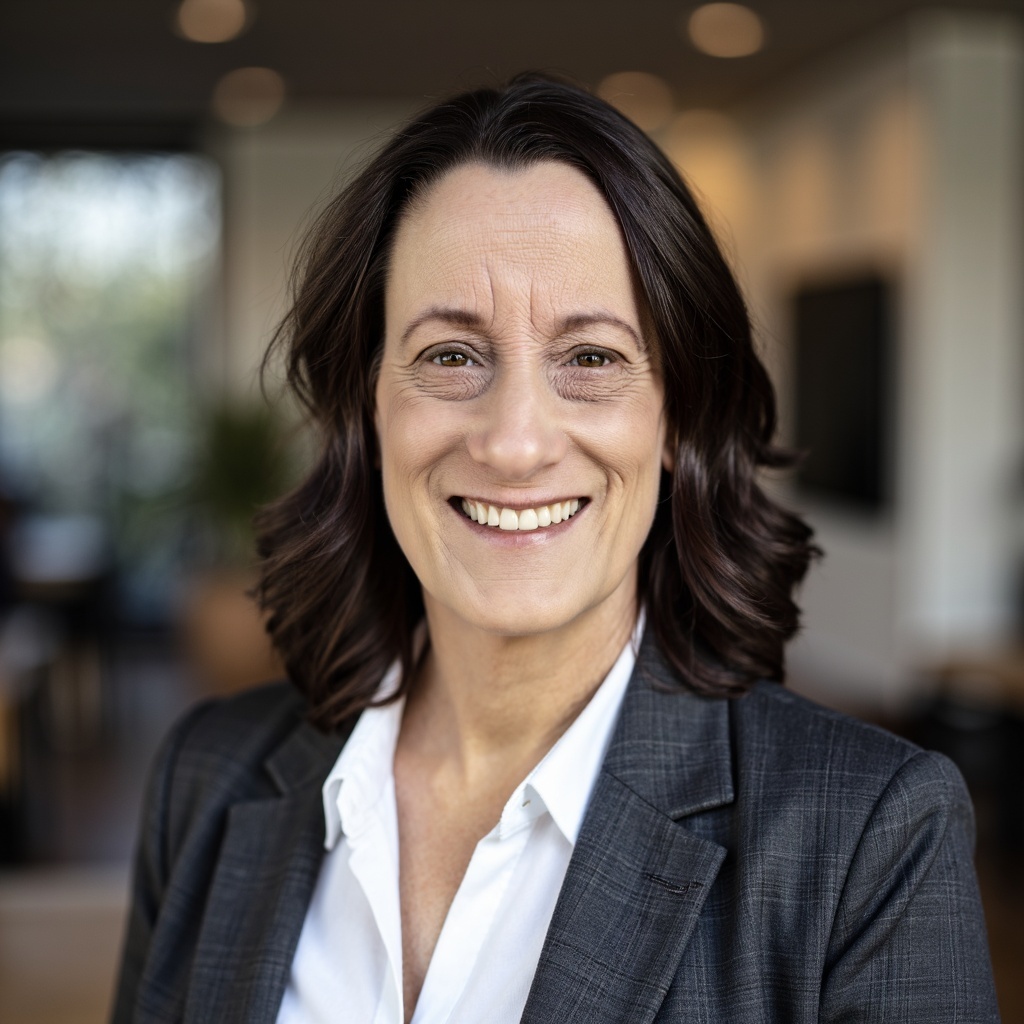
A Conversation That Changes What People Notice—and What They Do Next.
Cindy Costley speaks at the intersection of health and human behavior, bringing discoveries from her own lived experience to questions that matter in our personal and professional lives.
Her presentations combine a distinctive message with relatable storytelling and practical insights—giving audiences something to think about, connect with, and put into practice.
The Patterns We Live By Have a Story. Understanding It Changes What's Possible.
Sometimes the most revealing question is about something familiar: Why is it so hard to ask for help, share responsibility, or feel at ease when plans change?
We may be living by rules we never consciously chose—and that no longer reflect who we are or what we need today.
Cindy's signature keynote invites us to look at the story beneath those everyday experiences.
The Signature Keynote
What If It All Actually Makes Sense?
The Architecture of Adaptation™
Drawing from her own healing journey, Cindy Costley introduces The Architecture of Adaptation™: a way of exploring how lived experience can shape the body's physical responses, emotional reactions, and the behaviors we carry into relationships, work, and everyday life.
Responses that developed to protect us or help us navigate difficult circumstances may become internal operating agreements—unspoken rules about what we must do to stay safe, maintain connection, avoid conflict, or manage uncertainty.
These agreements may keep operating after the circumstances that shaped them have changed. A response that once served an important purpose can begin to influence situations where a different approach is possible.
By exploring the body's adaptive intelligence alongside stories from her own life, Cindy makes room for a more curious question: What might this response have helped someone navigate? That question connects health and human behavior without reducing a person's experience to a single explanation.
Understanding is the beginning, rather than the whole of change. Recognizing an agreement gives us something specific to reconsider; practicing different choices is how we begin bringing that understanding into daily life.
The Audience Experience
More Than a Presentation. An Experience That Stays With You.
People learn differently when they can experience an idea for themselves.
Cindy brings her message to life through personal storytelling, reflection, and moments of participation. Audiences have space to connect a story with their own lives, sit with a meaningful question, and explore an idea for themselves. This experiential discovery makes the conversation personal, rather than simply informational.
01
A Story That Feels Familiar
Cindy's personal experiences and relatable examples give audiences a human connection to ideas that might otherwise feel abstract.
02
A Moment to Reflect
Space for reflection invites people to connect what they hear with their own experiences, relationships, and everyday situations.
03
An Idea You Explore for Yourself
Moments of participation bring the conversation beyond listening, inviting audiences to consider what they notice and discover for themselves.
04
A Question You Carry With You
A familiar story, a personal insight, or a question worth returning to gives the experience a place in life beyond the room.
A Moment of Possibility
The Purposeful Pause
The Purposeful Pause gives a simple idea a personal point of connection: the moment between a response and what happens next. Cindy invites audiences to consider that moment in their own lives—what they notice, what they need, and what they might choose before moving forward.
SPEAKING TOPICS
The Questions Beneath the Questions.
What is your audience navigating—difficult conversations, change at work, questions about health, or a deeper sense of connection? Explore the three categories below to find topics that speak to their particular concerns and the focus of your event.
Exploring the adaptive patterns influencing communication, leadership, workplace performance, and organizational change.
Why do capable, thoughtful people avoid important conversations, become defensive, or struggle to communicate when the stakes are high? Cindy explores how past experiences and protective adaptations can influence the way we interpret feedback, navigate conflict, and respond under pressure. Leaders and teams gain practical insight into recognizing automatic responses, approaching difficult conversations with greater awareness, and creating more productive communication.
Practical Takeaways
What Audiences Will Learn How to Do.
From a tense conversation to a recurring personal challenge, these five capabilities give attendees concrete ways to put the message into practice.
One Framework. Connected Applications.
How We Experience Life Shapes How We Show Up in It.
We bring our whole selves to our work, relationships, and personal growth. Health and emotional well-being are part of that picture, alongside how we lead, communicate, and perform.
The same perspective can open different conversations in each setting. Here is how it connects with the concerns of organizational and personal-growth audiences.
Leadership & Organizational Growth
In organizational life, the framework brings a human perspective to communication, collaboration, and performance. It invites leaders and teams to look at what happens when feedback feels threatening, responsibility becomes difficult to share, or uncertainty affects decision-making.
These conversations can inform how people offer feedback, clarify expectations, support one another through change, and create room for capable individuals to contribute—connecting personal awareness with everyday leadership practice.
Communication
Collaboration
Decision-making
Workplace dynamics
Leadership
Performance
Health, Personal Growth & Human Potential
In health and personal growth, the framework invites closer attention to the body's communication, emotional well-being, relationships, and personal choices. Cindy's own healing journey gives this conversation a personal foundation, bringing curiosity to physical responses and the experiences surrounding them.
The emphasis is on listening to the body, considering what supports connection in relationships, and making choices that reflect present needs and values—giving personal development a place in the whole of a person's life.
Physical and emotional well-being
Self-awareness
Relationships
Adaptive responses
Personal development
Meaningful change
Cindy Costley
Keynote speaker, author, creator of The Architecture of Adaptation™ and founder of EBDT™.
A Message That Meets Your Audience Where They Are.
Your audience's interests, challenges, and event context help shape the emphasis. Cindy can adapt examples and conversations to what is most relevant to the people in the room, while preserving the heart of her signature message. An inquiry is an opportunity to discuss that fit and what you hope your audience will take from the experience.
Tell Cindy about the people you're bringing together, the questions they face, and what matters most for your event. Let's explore whether her message is the right conversation for your audience.